
Le Corbusier
Switzerland1887–1965
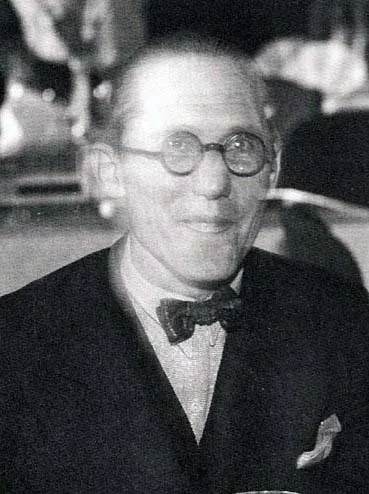
Portrait: Unknown author Unknown author / Wikimedia Commons / Public domain
Ideas to read with
Walk the principles
The Five Points of Architecture are easier to grasp in motion—from the pilotis up to the roof garden—than as a list to memorize. Villa Savoye is the classic place to begin. The Modulor links human scale to standardization. Comparing the Unité d’habitation with the tiny Cabanon shows that idea at two extremes: collective living and a minimal cabin. Tokyo’s National Museum of Western Art adapts his Museum of Unlimited Growth concept to a Japanese site. Through Maekawa, Sakakura and others who trained in his office, you can also trace how those ideas moved into Japanese modern architecture. Swiss-born architect and planner who worked mainly in France. A leading figure of the modern movement across houses, chapels, housing blocks, and city plans.
Architectural ideas
Five Points of Architecture
Modern architecture proposed as pilotis, roof garden, free plan, ribbon windows, and free façade. Easier to grasp by walking them at Villa Savoye than by memorizing slogans.
Modulor
An attempt to order architectural dimensions via human measure and the golden section. Easy to observe where repeating modules matter—Unité, Cabanon. Read the intent to connect standardization and human scale more than the numbers alone.
Architectural promenade
Seeing architecture as a sequence of movement, not a static exterior. Following ramps, slopes, and sightlines reveals spatial paths that plans alone miss.
Life and architecture
Raised in a Swiss watchmaking town, Le Corbusier moved from art school into architecture. Early travels across Europe—looking hard and drawing what he saw—fed a lifetime of work. In Paris he practiced architecture, painting, and writing side by side, proposing not only houses but ways of living in the city. From white geometric villas to postwar buildings shaped by concrete and light, his range stayed wide.
- 1887
Born in a watchmaking town
Born in La Chaux-de-Fonds, Switzerland. His given name was Charles-Édouard Jeanneret.
- 1900–190513
From art to architecture
Studies drawing and engraving at the local art school. Guided by Charles L’Eplattenier, he begins to take on architecture.
- 1907–191120
Learning architecture on the road
Travels across Europe, recording buildings and landscapes in notebooks. In 1911 he visits the Balkans, Turkey, Greece, and more.
- 191730
Paris as a base
Moves to Paris and advances both architecture and painting.
- 192033
The name Le Corbusier
Begins using the pen name Le Corbusier in architectural articles for L’Esprit Nouveau.
- 192336
Putting a new architecture into words
Publishes Toward an Architecture. Beyond designing buildings, he spreads modern ideas through writing.
- 193144
Villa Savoye completed
Villa Savoye is completed in Poissy. Pilotis, roof garden, and more embody the Five Points of a new architecture.
- 195265
A proposal for collective living
The Unité d’habitation in Marseille opens.
- 195568
Ronchamp chapel consecrated
Notre-Dame-du-Haut at Ronchamp opens, using curve and light in a language far from his early white houses.
- 195972
A building that remains in Japan
The main building of the National Museum of Western Art in Ueno, Tokyo, is completed, with Sakakura, Maekawa, and Yoshizaka involved in its realization.
- 196578
Life ends by the Mediterranean
Dies on 27 August while swimming at Roquebrune-Cap-Martin.
Ages are approximate, based on birth year.
Architecture map
View on map17 buildings by Le Corbusier. Pan the map and tap a pin.
Architecture
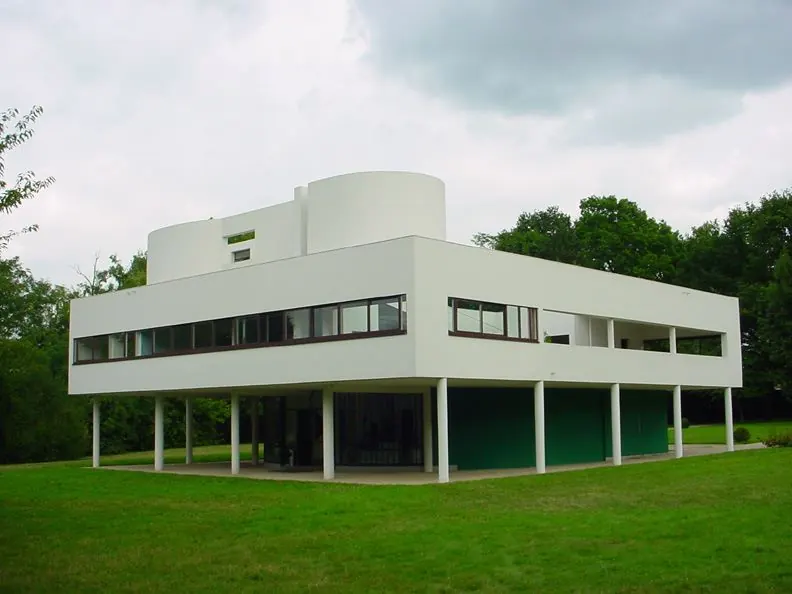
Villa Savoye
Poissy, France · 1931
UNESCO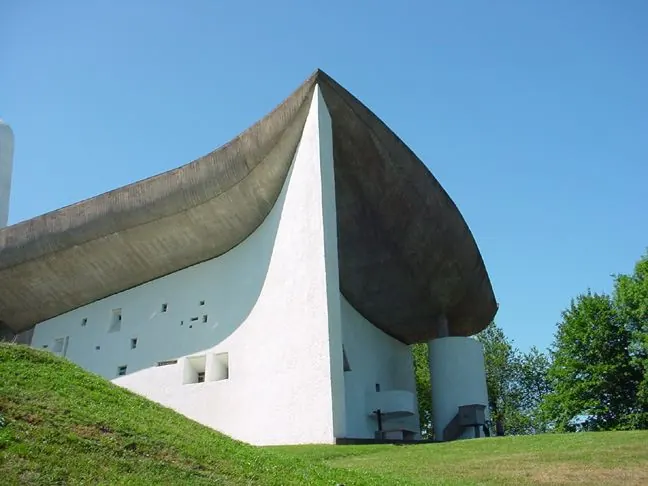
Chapelle Notre-Dame-du-Haut
Ronchamp, France · 1955
UNESCO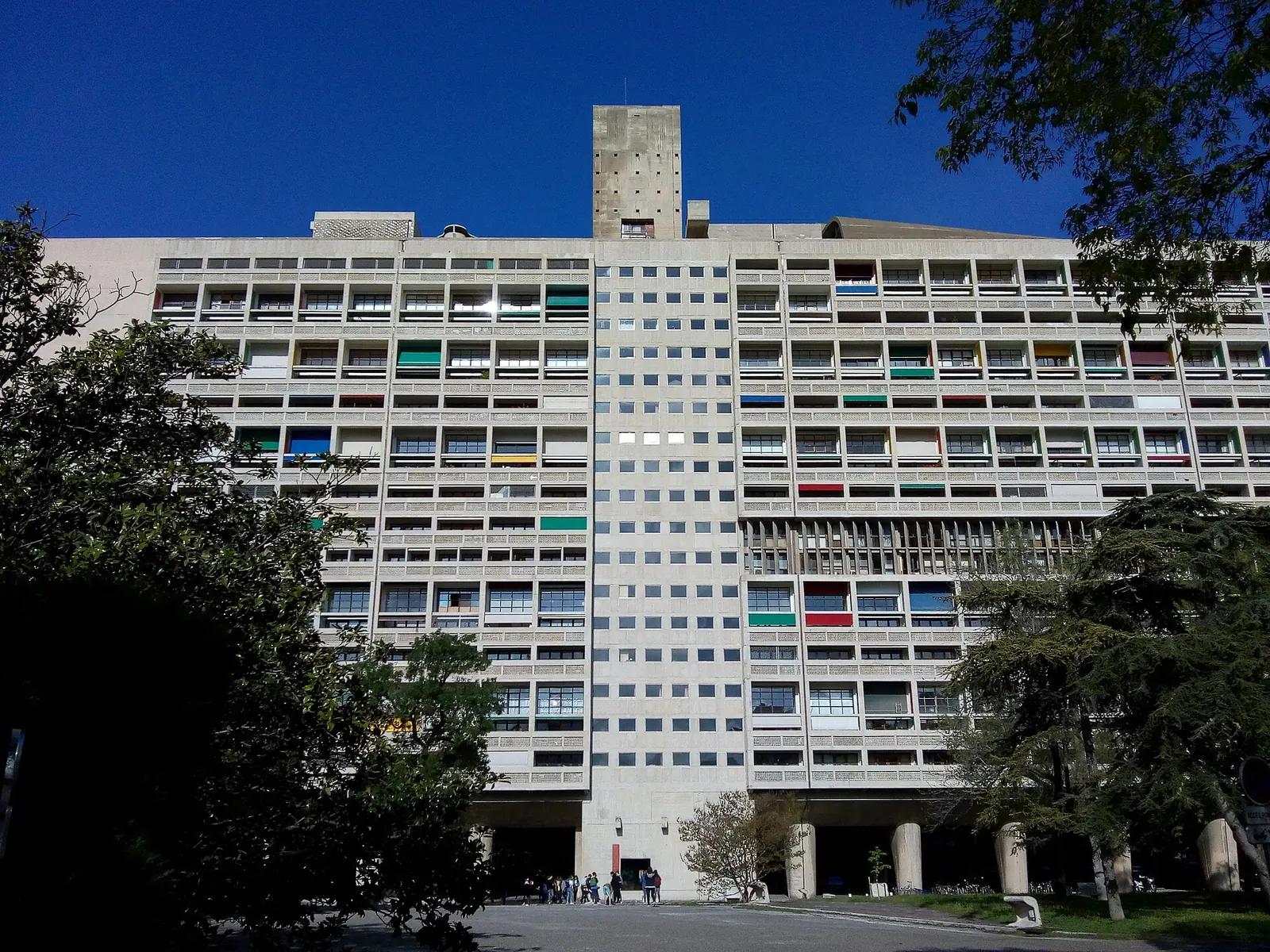
Unité d'habitation, Marseille
Marseille, France · 1952
Stay availableUNESCO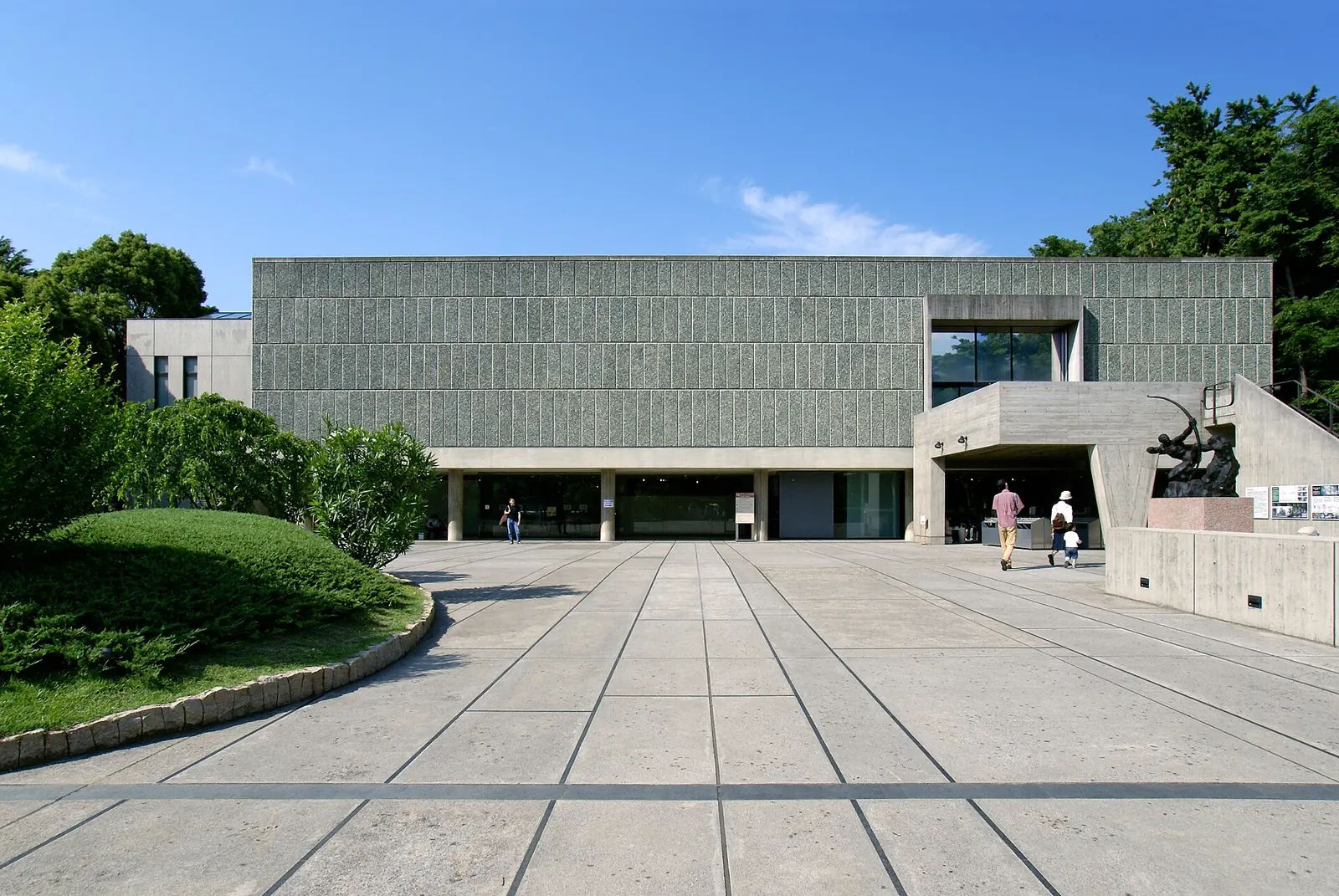
National Museum of Western Art
Taito, Tokyo, Japan · 1959
UNESCO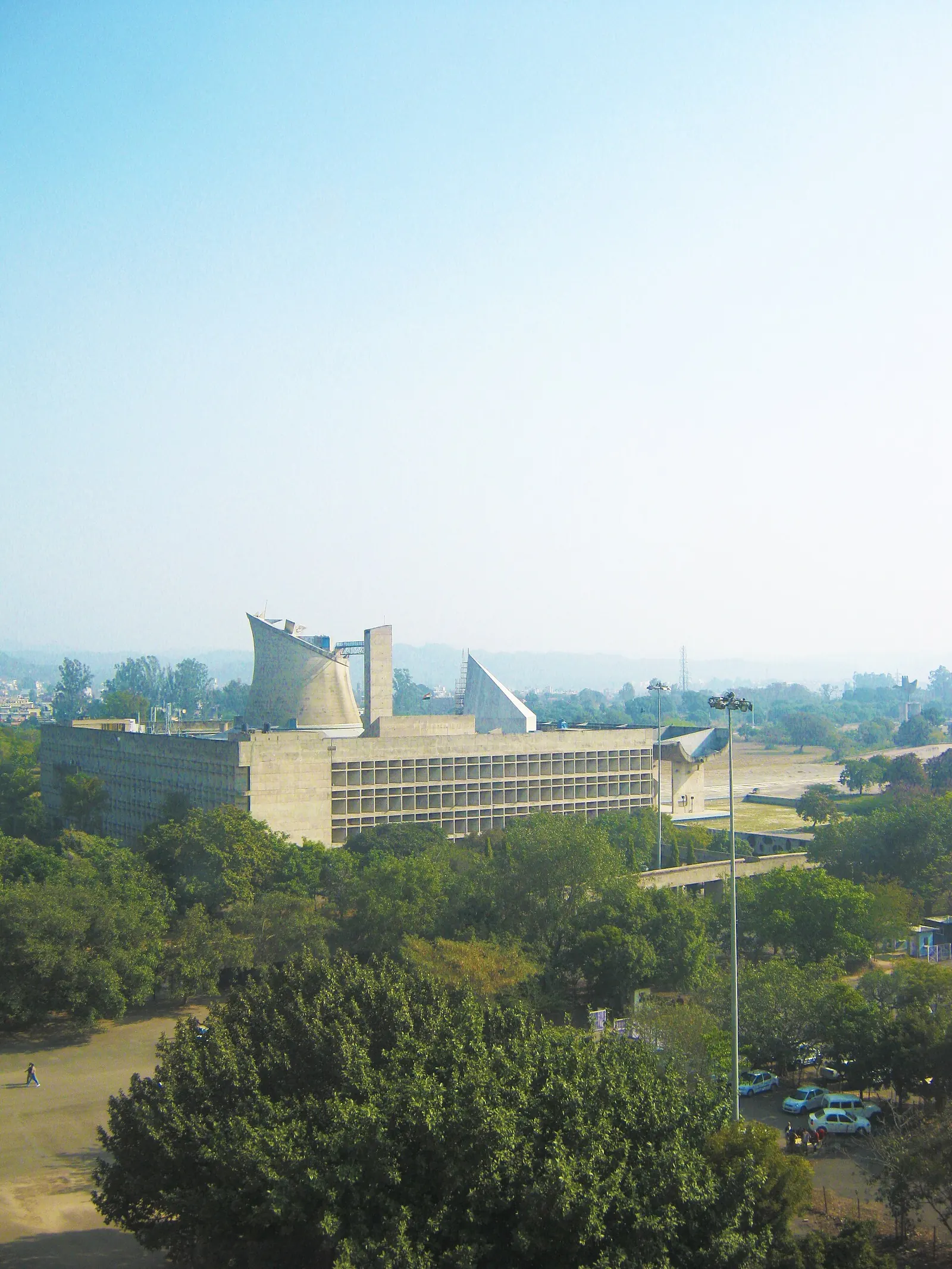
Complex of the Capitol, Chandigarh
Chandigarh, India · 1960
UNESCO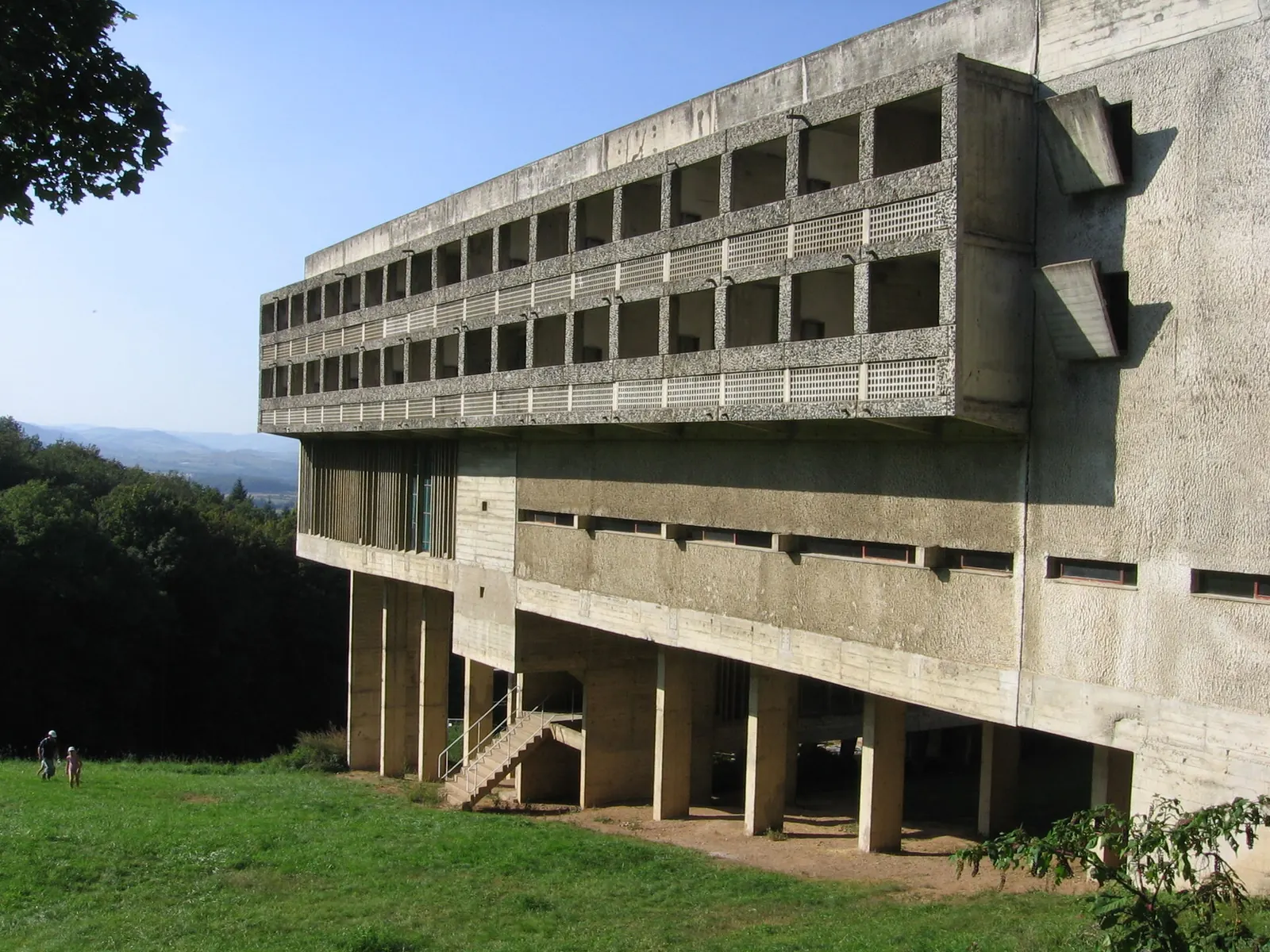
Couvent Sainte-Marie-de-la-Tourette
Éveux, France · 1960
Stay availableUNESCO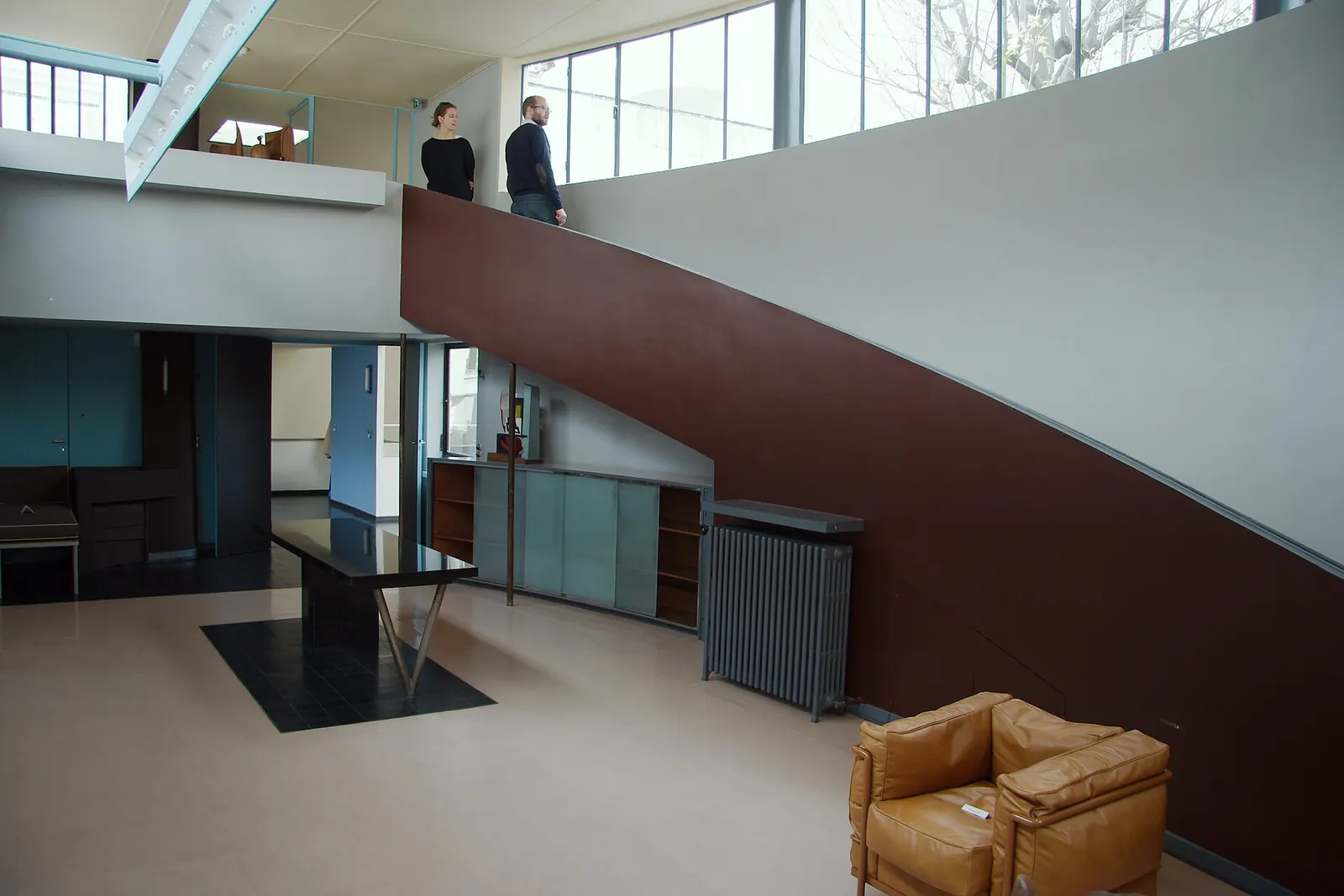
Maisons La Roche et Jeanneret
Paris, France · 1925
UNESCO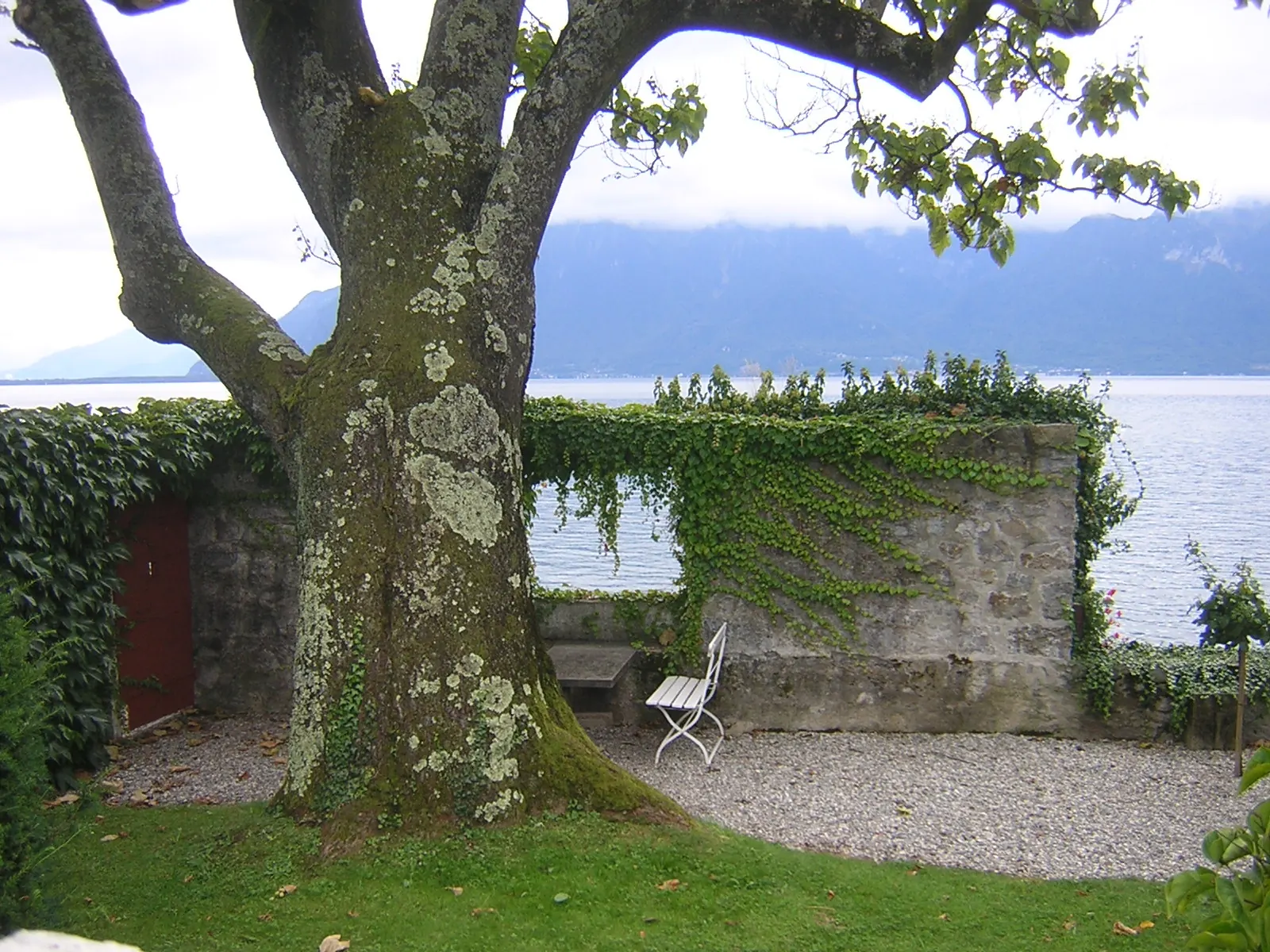
Villa Le Lac
Corseaux, Switzerland · 1924
UNESCO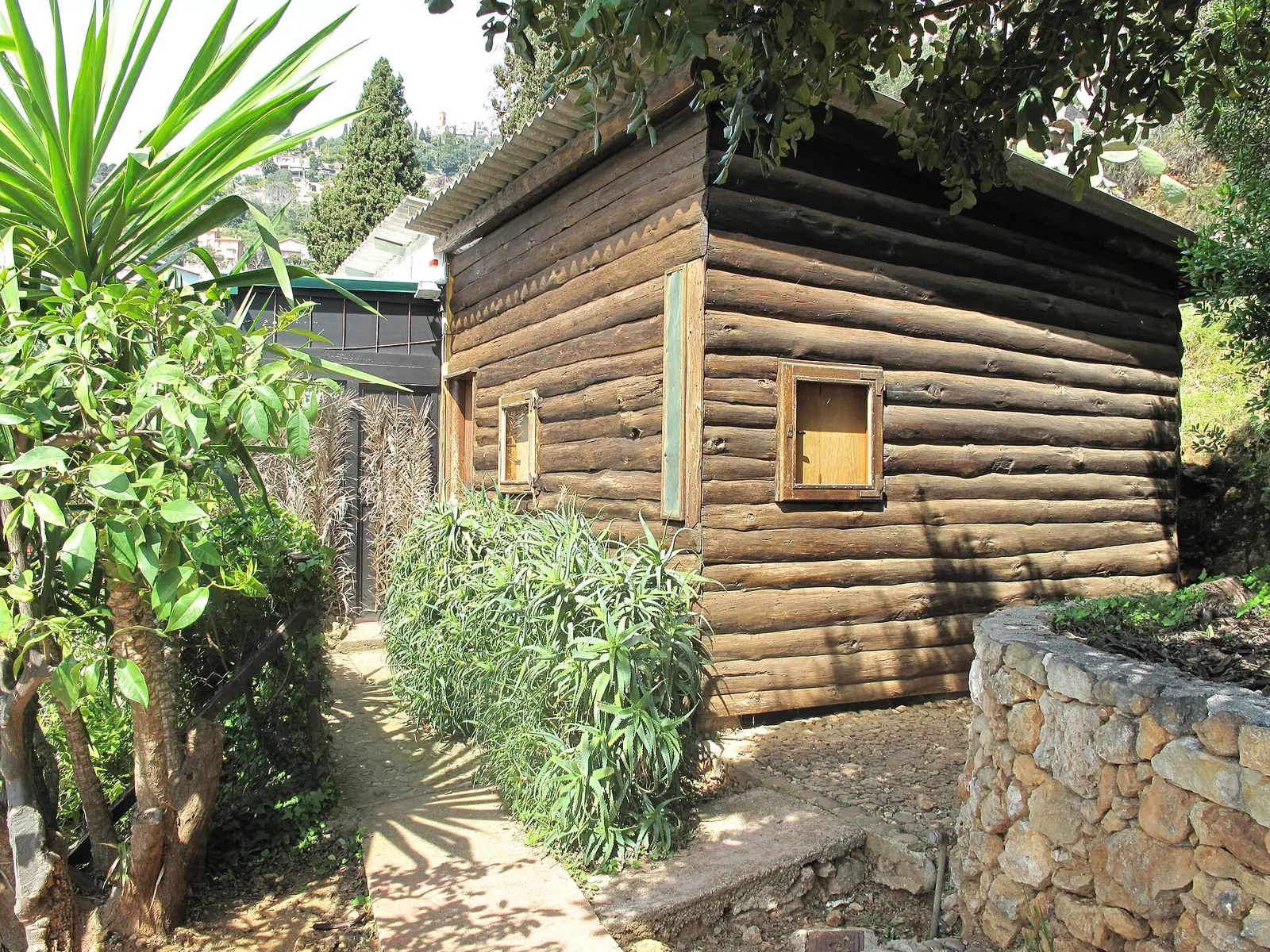
Cabanon de Le Corbusier
Roquebrune-Cap-Martin, France · 1952
UNESCO
Cité Frugès
Pessac, France · 1926
UNESCO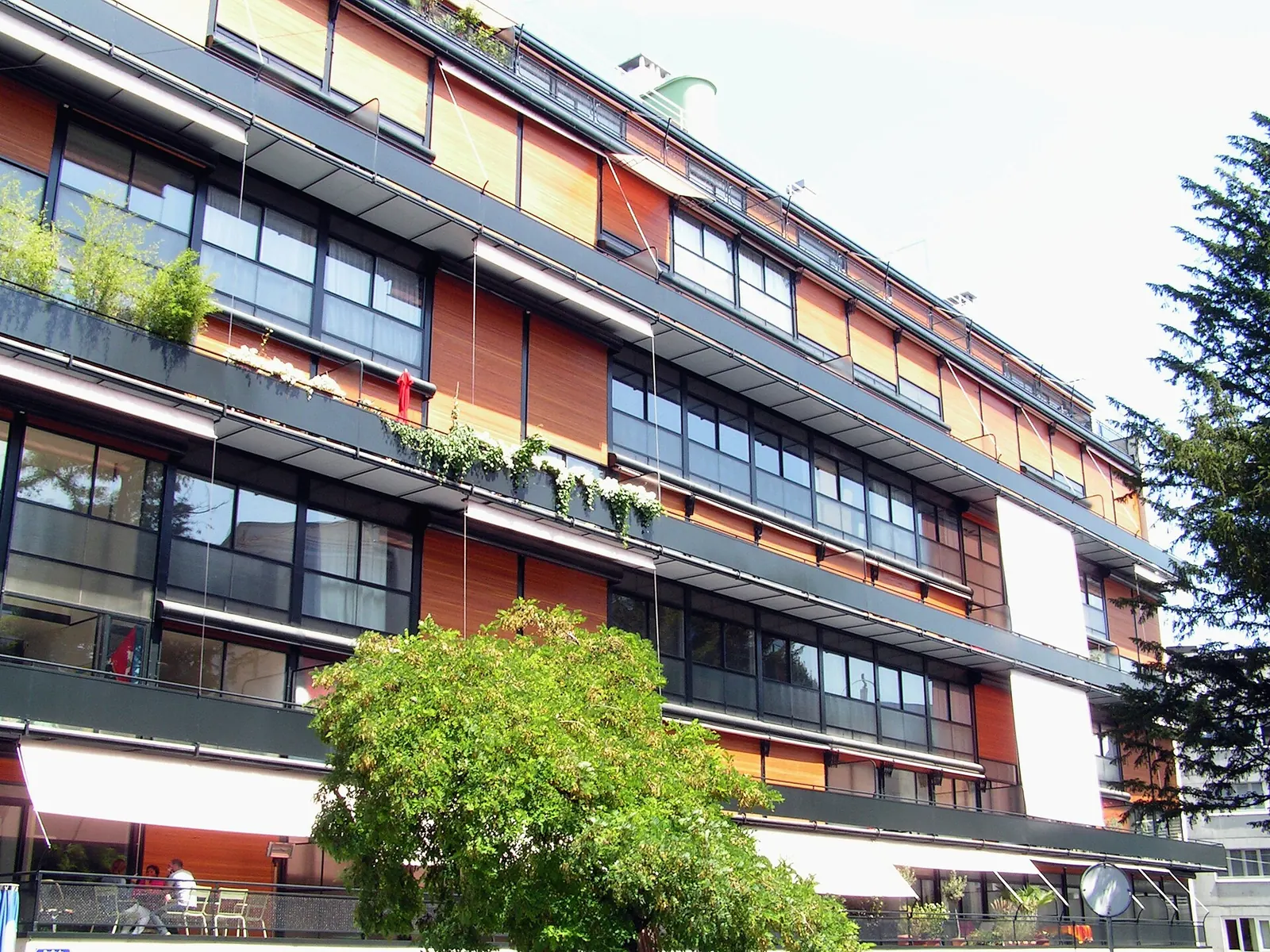
Immeuble Clarté
Geneva, Switzerland · 1932
UNESCO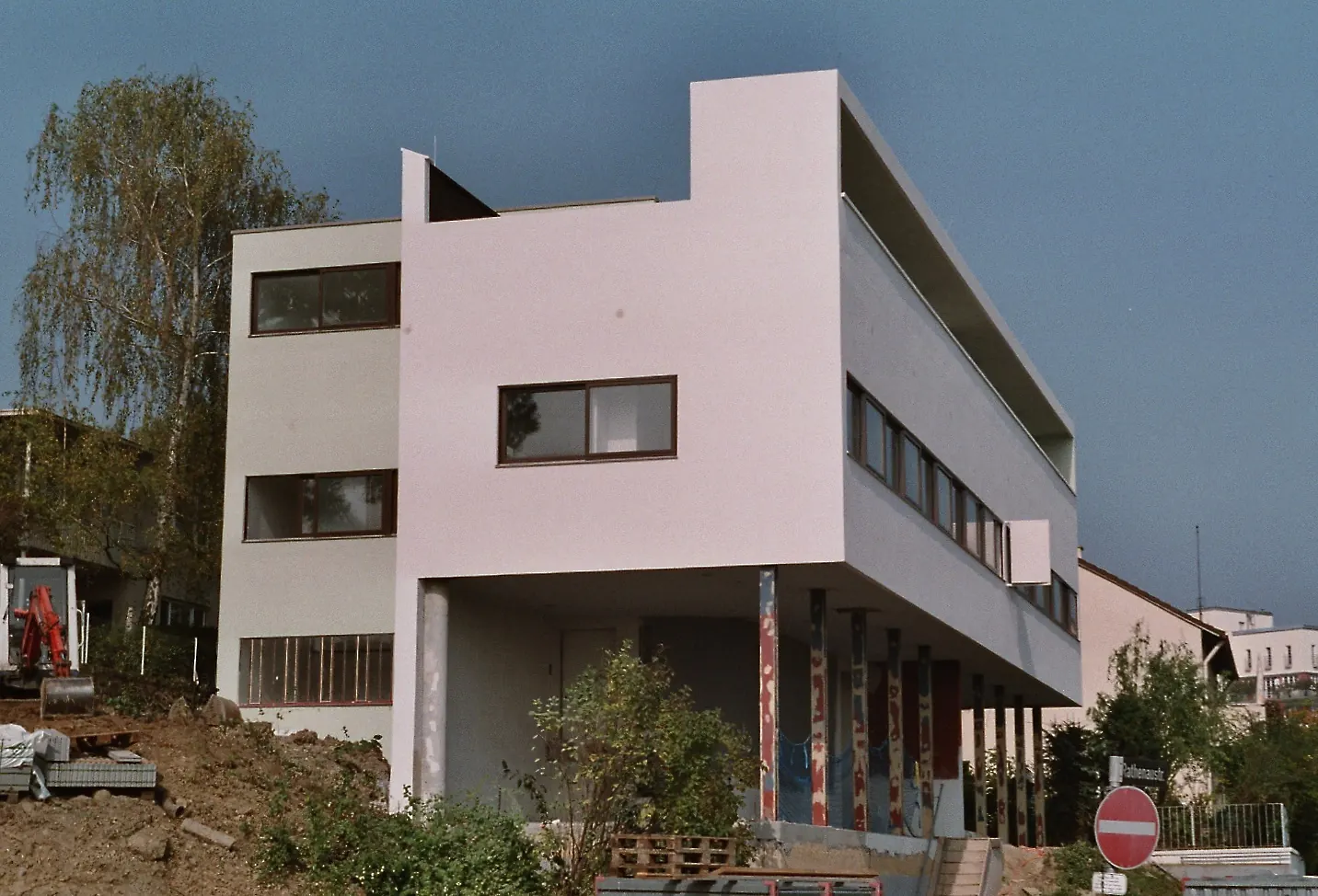
Houses of the Weissenhof-Siedlung
Stuttgart, Germany · 1927
UNESCO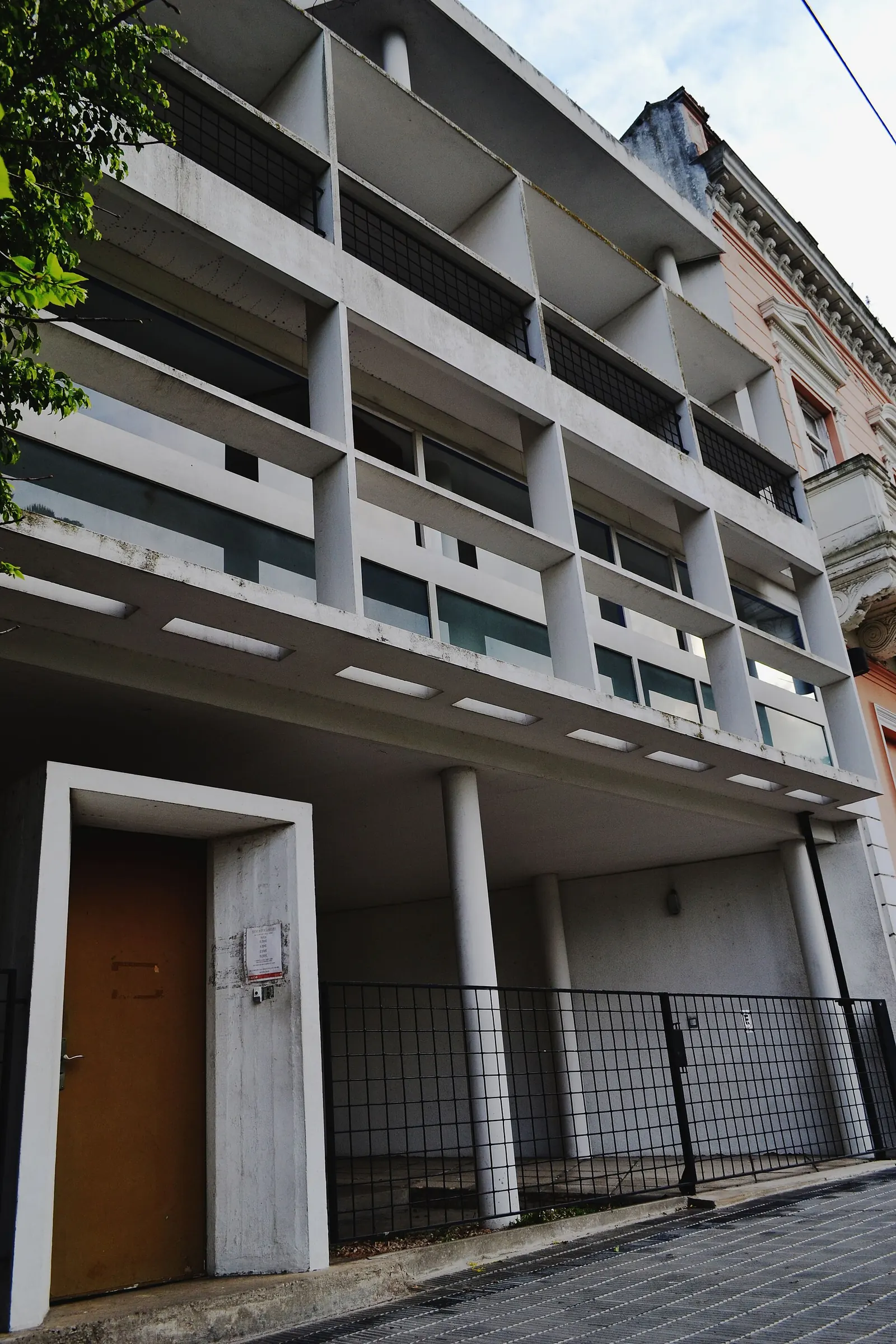
Maison du Docteur Curutchet
La Plata, Argentina · 1953
UNESCO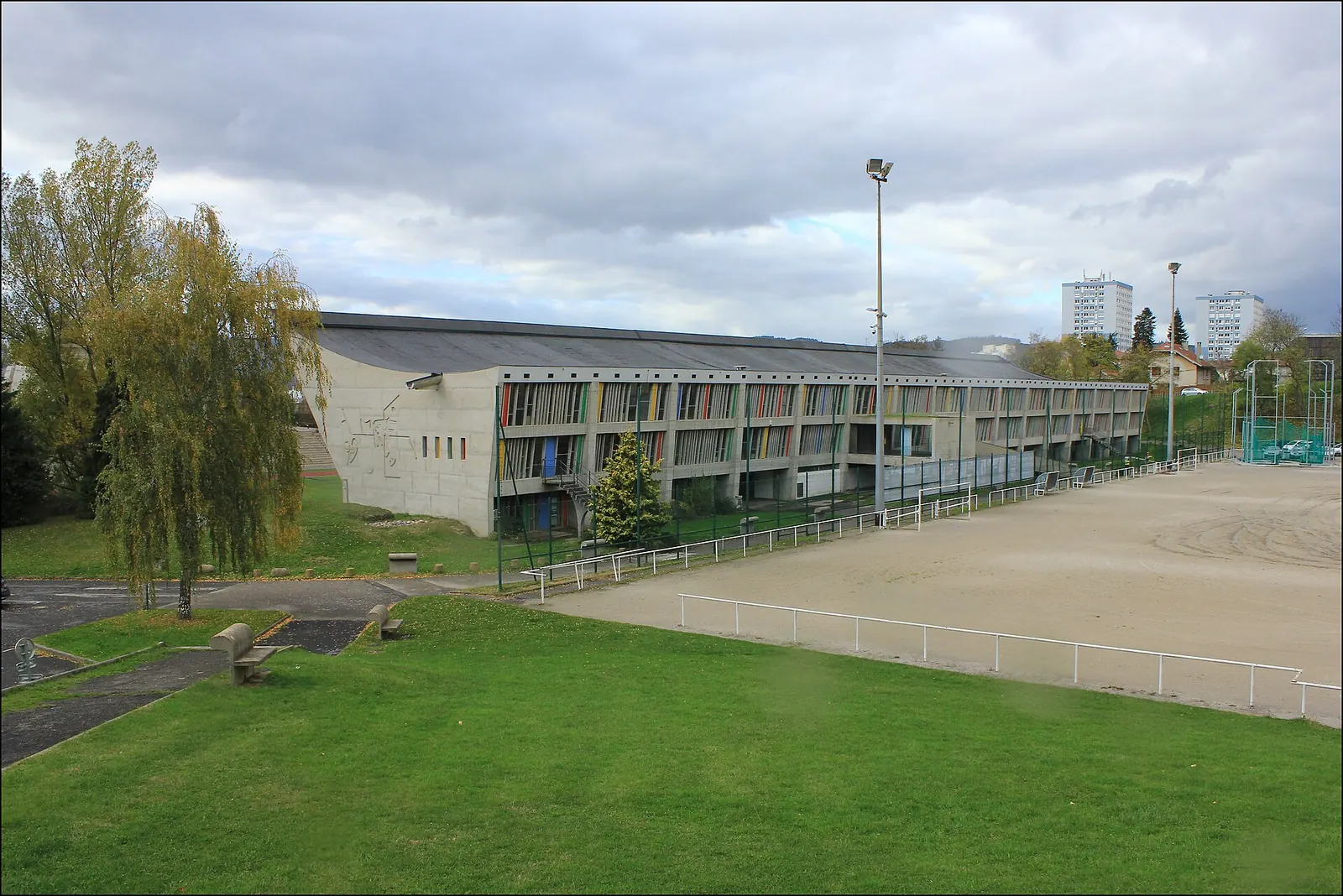
Maison de la Culture, Firminy
Firminy, France · 1965
UNESCO
Immeuble locatif à la Porte Molitor
Boulogne-Billancourt, France · 1934
UNESCO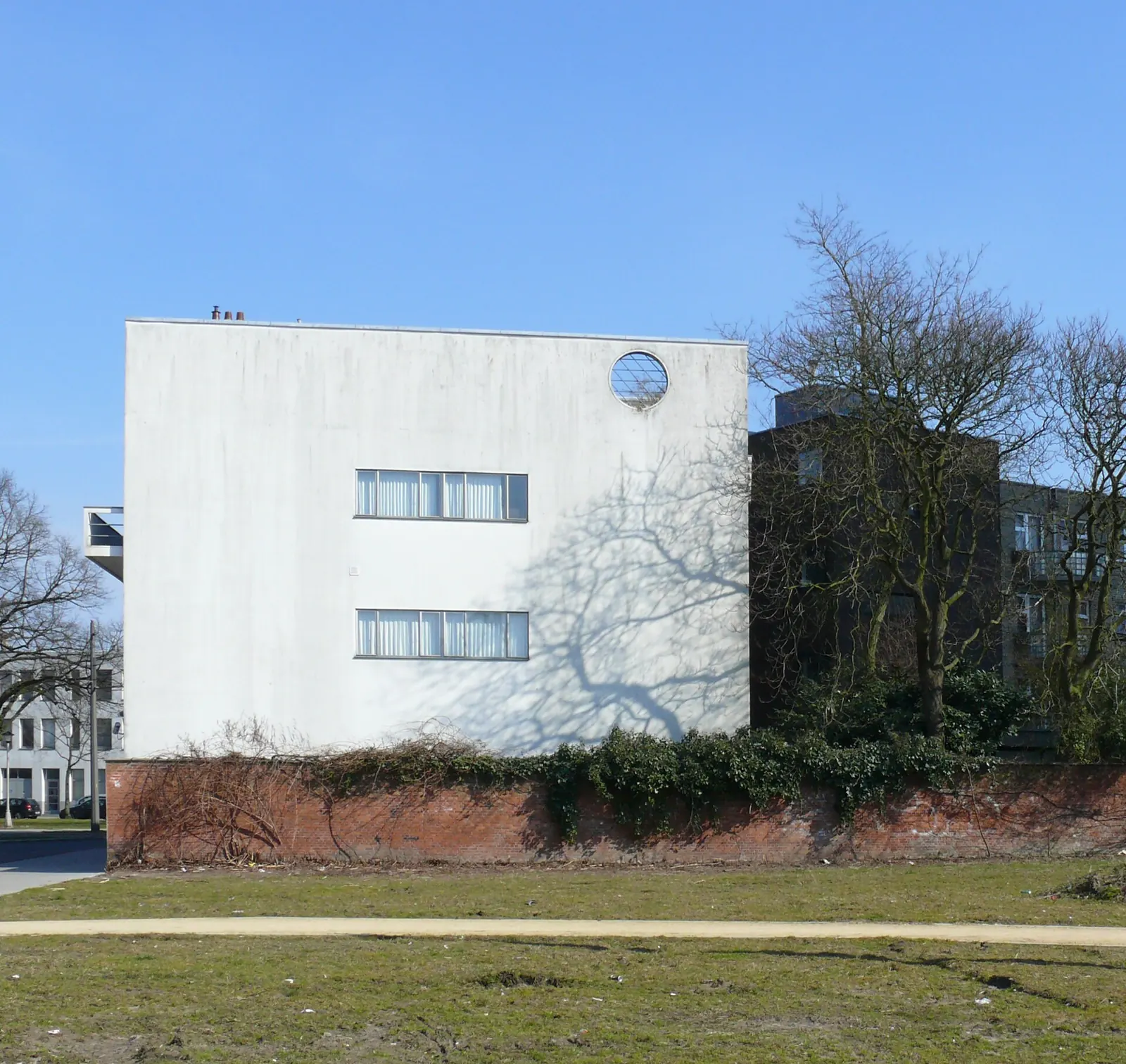
Maison Guiette
Antwerp, Belgium · 1926
UNESCO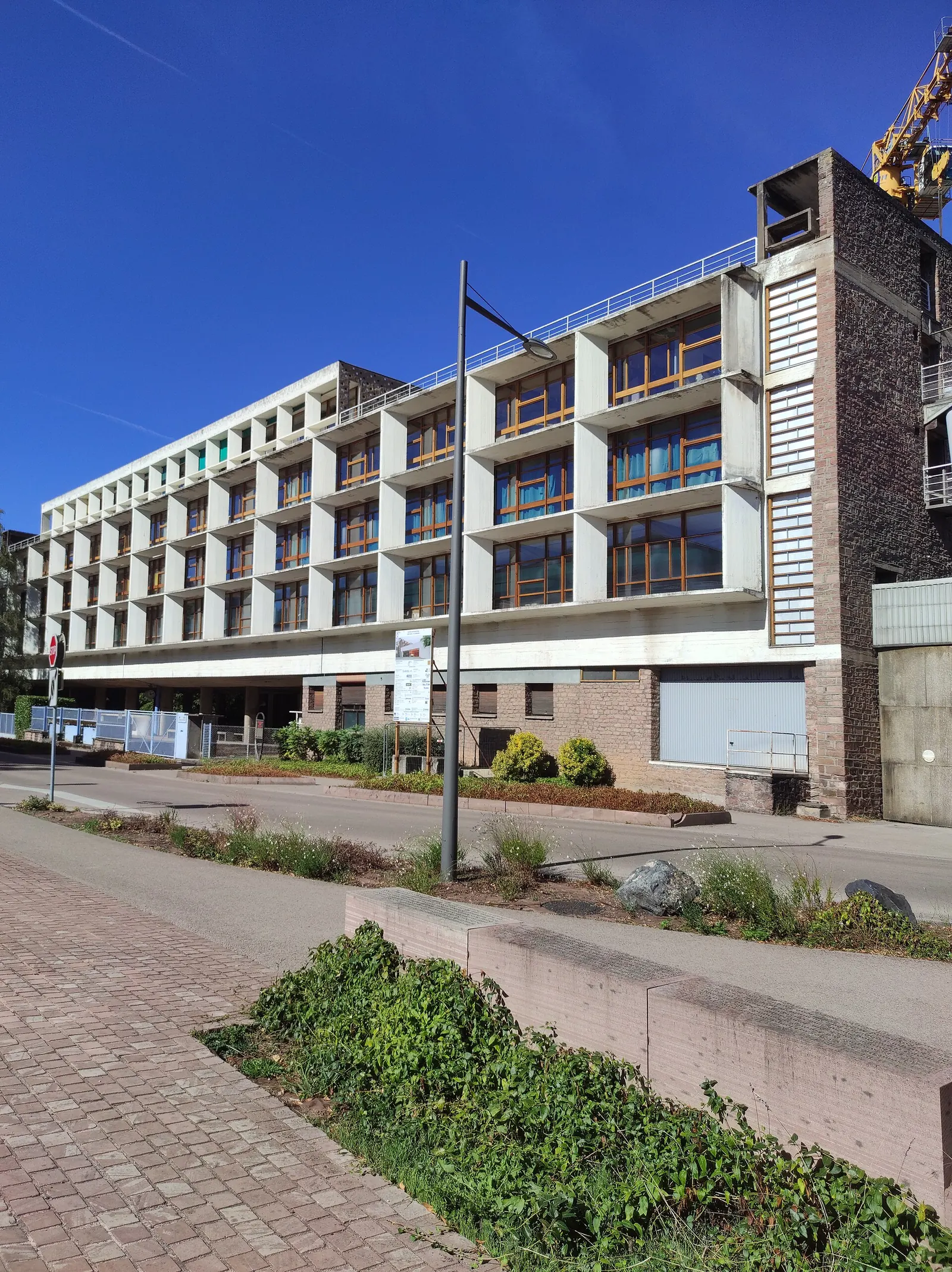
Manufacture à Saint-Dié
Saint-Dié-des-Vosges, France · 1952
UNESCO